Home › Asphalt Pathways, Sidewalks, and Trails
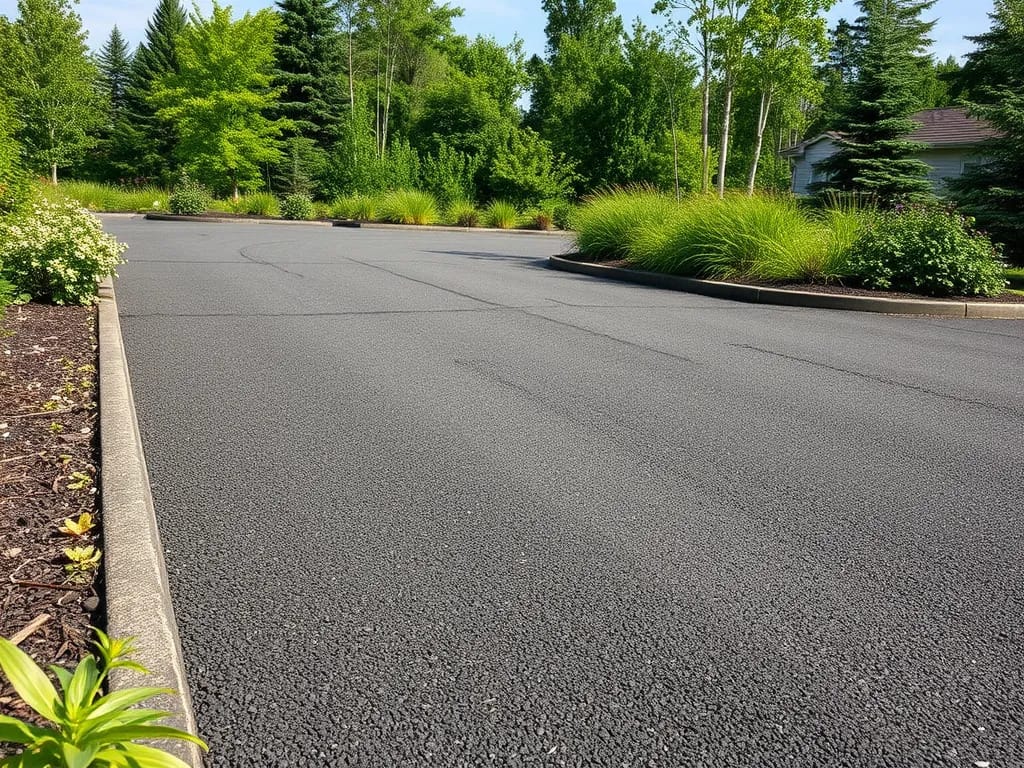
Connect your property with safe, accessible routes using asphalt pathway paving in Mesquite, TX. We build sidewalks, walking trails, and bike paths for campuses, parks, and communities with smooth, continuous surfaces.
Precision Asphalt Mesquite provides professional asphalt pathway paving throughout Mesquite, TX, Texas and the surrounding area. Our licensed, insured crew delivers safe, clean, on-time work with a free estimate before anything begins. Call (972) 362-9038 or request your free quote.
Durable Asphalt Pathways, Sidewalks, and Trails in Mesquite
Asphalt pathways, sidewalks, and trails are only worth the investment if they stay smooth, safe, and drain correctly over time. At Precision Asphalt Mesquite, we build pedestrian surfaces that hold up to Mesquite heat, sudden storms, and daily foot traffic.
Most of our local projects fall into a few categories: neighborhood walking paths that connect cul-de-sacs, sidewalk infill along city streets, school and campus paths, HOA walking loops, and park or greenbelt trails that see a mix of pedestrians, strollers, bikes, and maintenance vehicles. Each setting needs a slightly different design, especially when it comes to thickness, base prep, and edge support.
We pay close attention to existing grades and drainage, because in Mesquite a short but hard rain can expose every mistake. A well built asphalt pathway should shed water off the surface, not hold puddles. That starts in the layout stage, before any equipment shows up, by planning slopes, tie-ins to existing concrete, and where water is already trying to flow on your property.
If you want a pathway that looks neat and stays easy to maintain, the details matter. Edge restraints, transitions to driveways and parking lots, and how we handle tree roots will make more difference long term than any sales pitch about “premium mix” ever will.
Planning and Layout That Fit Your Property
Before we quote or start any asphalt pathway paving job, we walk the entire route with you. For residential and HOA work, we look at how people actually move through the property so the path connects where residents are already walking, not where it is easiest to pave. For parks and commercial sites, we coordinate with your site plans, drainage layouts, and ADA requirements.
We mark utilities, sprinklers, and any shallow lines that might be under the alignment. In Mesquite, irrigation lines are often shallow and crisscross walking areas, so we probe and flag them to avoid breaks during excavation. If the future path crosses a swell or drainage ditch, we decide whether to regrade the area, install a culvert, or adjust the path location.
Slope planning is critical. For standard walking paths, we design cross slopes of about 1.5 to 2 percent so water runs off without feeling tilted to pedestrians. Longitudinal slopes follow the land as much as possible, but we avoid steep stretches that become slippery in rain. When ADA accessibility is required, we design grades that keep within current standards, including transitions at road crossings and building entrances.
You will see paint marks on the ground that show the centerline and final edges of the path before we break ground. This is the best time to adjust widths, move a curve around a tree, or extend a spur to a gate or playground. Once you sign off on the layout, we lock in quantities and give you a clear written scope.
Base Preparation and Paving Process
The long term performance of an asphalt pathway depends far more on the base than on the asphalt itself. Precision Asphalt Mesquite focuses heavily on this stage.
We start by stripping sod, loose soil, and organic material along the path width plus any shoulder you have chosen. In many Mesquite neighborhoods, the native subgrade is a mix of clay and fill. If we find soft spots that pump under the roller or show cracking when dry, we undercut and replace those areas with compacted base material instead of paving over them.
Our typical base for pedestrian and light maintenance vehicle paths is 4 to 6 inches of compacted crushed limestone or flex base. In areas where park trucks or small utility vehicles will use the trail regularly, we may recommend a thicker base. Each lift is compacted with vibratory rollers or plate compactors near fences and tight areas, and we check density and uniformity as we go.
Once the base meets grade and compaction targets, we place the hot mix asphalt, usually 2 to 3 inches compacted thickness for standard pathways. For trails that see occasional pickup trucks, we may increase that to 3 to 4 inches or use a stronger mix. We install the asphalt while it is still at proper temperature, then compact with steel drum rollers in several passes to lock the surface together and eliminate voids.
We pay special attention to tie-ins where the new asphalt meets existing concrete sidewalks, drives, or parking lots. Those joints are milled or tapered so there is no lip to trip on, and we seal any necessary joints after compaction to reduce water infiltration.
Design Options, Edges, and Surface Finishes
Even though asphalt pathways are functional first, you still have choices in how they look and behave. We review these options with you before we start.
Width is the first design decision. For single file walking and jogging in a tight area, 4 feet can work, but for two way foot traffic and strollers, 5 to 6 feet is more comfortable. In parks or along busy streets, 8 feet or more is common, especially if bikes will use the path. Those extra feet affect cost noticeably, so we match width to your real use, not just a standard number.
Edge support is another key choice. For simple backyard or HOA trails, we often build the asphalt flush with surrounding soil, then dress the sides with topsoil and grass. For cleaner lines along streets or commercial sites, you might prefer concrete header curbs or asphalt berms that define the edge and help keep the surface from unraveling. In high traffic corners we may recommend a thicker edge or added base to resist lateral pressure.
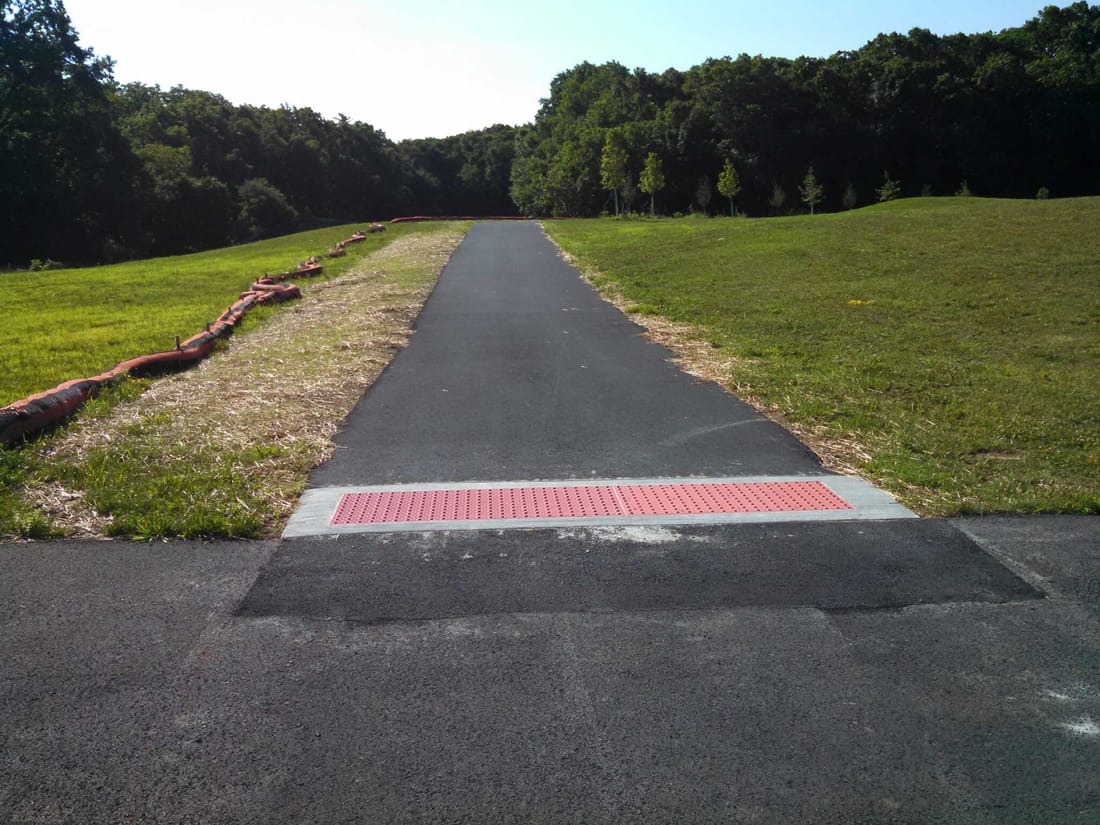
As for the surface, most customers in Mesquite prefer a tight, smooth finish that is comfortable for walking and pushing wheelchairs, but we avoid over rolling to the point where the surface seals and becomes slick when wet. On some park trails we intentionally leave a slightly more textured finish for grip, especially on gentle slopes. We also discuss color contrast at crossings and transitions to alert pedestrians when they are leaving the pathway and stepping into a street or parking lot.
If you are considering decorative options such as striping, painted centerlines, or stenciled wayfinding, we make sure the asphalt cures appropriately and use coatings that hold up to sun and heat rather than chalking out in one summer.
What Affects Cost and How We Avoid Common Problems
Many customers want to understand why two asphalt pathway paving quotes can be far apart. Precision Asphalt Mesquite is transparent about what drives cost on these projects.
Key factors include total length and width, base thickness, site access, and how much grading is required. A straight, easily accessed path along an open property line costs less per foot than a winding trail through trees that requires hand work. If trucks and pavers cannot reach parts of the route, we may have to use smaller equipment, which adds labor.
Soil conditions matter too. Unstable clay pockets or old fill areas require additional base or even geotextile fabric to keep the pathway from settling and cracking. It is cheaper to fix these conditions before paving than to patch a failing path every year. We call these issues out in the proposal so you know where your money is actually going.
Common problems we see in failed Mesquite pathways are ponding water, raveling edges, and root heave from nearby trees. We tackle these up front by setting proper grades, building adequate shoulders or curbs, and planning generous offsets from large trees or installing root barriers when necessary. For existing paths with issues, we may recommend partial milling, localized base repairs, and overlay rather than simple skin patches that will not last.
We also talk honestly about expected lifespan. A well built asphalt pathway that is used primarily by pedestrians and light carts can often perform for 15 to 20 years in this climate if it is sealed and kept drained. If you expect frequent utility truck traffic or heavy equipment on the trail, we will design for that or advise a different solution where needed.
Maintenance, Repairs, and How to Get Started
After your pathway, sidewalk, or trail is paved, some basic care keeps it in good shape. We generally recommend keeping vehicles off new asphalt for 2 to 3 days and avoiding sharp turns with heavy equipment for at least a week. During the first summer, the surface is more sensitive to gouges from kickstands, trailer jacks, and point loads, so we suggest using pads under stands when possible.
Long term, plan on regular sweeping or blowing to remove leaves and grit. Organic buildup holds moisture against the surface, which accelerates aging and encourages weeds along the edges. Where grass meets the asphalt, occasional edging helps keep roots from climbing over and under the pavement. If you start to see hairline cracks or early raveling, addressing those with crack sealing and minor patching is far cheaper than waiting until the base is compromised.
Precision Asphalt Mesquite offers maintenance services for the pathways we build and for older trails that need attention. For HOAs and commercial sites, we can set up a simple inspection schedule so minor issues are caught early. For city and school clients, we coordinate work around class schedules and events to limit disruption.
To get started, you can share a simple sketch or property map with approximate lengths and widths, or we can meet on site and walk the route together. We will give you a clear scope, layout plan, and cost breakdown, and we can phase larger trail systems over multiple years if that fits your budget better. Our goal is straightforward: build an asphalt pathway system in Mesquite that works the way you need it to and holds up under real world use.